No.4, Annai Avenue, Vasanth Nagar EXTN,
Srirangam, Trichy, Tamil Nadu ,620006.
CIN: U31100TN2010PTC078389
DUNS Number: 859496557


Madurai Chithirai Thiruvizha 2026 is one of the most culturally significant rich temple festivals in Tamil Nadu, celebrated with profound devotion in the ancient city of Madurai. Focused on the most revered Sri Meenakshi Amman Temple, this magnificent festival is a unique meld of spirituality, mythology, and thriving tradition that transforms the whole city into a living celebration.
What makes Chithirai Thiruvizha truly special is its double significance—it beautifully weaves together the sacred wedding of Goddess Meenakshi and Lord Sundareshwarar with the epic journey of Kallazhagar from Azhagar Kovil. This rare blend of Shaivite and Vaishnavite traditions mirrors harmony in faith and showcases the profound legacy of Tamil spiritual heritage.
Lasting several days, this celebration unfolds through a series of elaborate rituals, grand processions, divine enactments, and deeply symbolic events. Each day is meticulously structured, carrying its own meaning—right from coronation and triumphal processions to the celestial wedding and the epic entry of Kallazhagar into the Vaigai River.
Here’s an elaborate explanation of the Chithirai thiruvizha 2026 calendar
The grand Chithirai festival 2026 start with Vaasthu Shanti, a significant purification ritual performed to cleanse the temple premises and harmonize the spiritual aura of the space. Priests invoke sacred forces through Vedic chants, offering prayers to eliminate any obstacles that could obstruct the seamless conduct of the celebration. This ritual is not just about the man-made structure —it represents purifies the environment, the devotees, and the whole city preparing for the celestial presence. It acts as the spiritual cornerstone of the festival, assuring that every following ritual progresses in harmony and divine favour.
Kodiyetram, known as the flag hoisting, symbolizes the official beginning of the Chithirai festival 2026. A sacred flag carrying the temple emblem is raised, representing an invitation to heavenly beings and devotees alike. The appearance of the deities in Velli Simhasanam represents regal grace, while the evening processions like Karpaga Vriksha and Simha Vahanam symbolizes wealth and bravery. This day signifies the opening of divine gates, where heaven and earth link and the city starts its transformation into a holy gathering space.
The second day mirrors the caring and guarding aspects of the divine. The Thanga Chaparam procession offers a glorious darshan, while the Bootha Vahanam symbolizes control over evil forces. The Anna Vahanam, often pertaining to nourishment, represents the divine as a giver and sustainer of life. This day highlights that the divine not only safeguards but also supports every living being with kindness and concern.
This day reflects a powerful meld of spiritual growth and material prosperity. The Kailasa Parvadham represents Mount Kailash, the sacred abode of Lord Shiva, symbolizing the ultimate holy destination and the way to freedom. Devotees witnessing this procession are reminded of the significance of detachment and self-realization. Alongside this, the Kamadhenu Vahanam signifies the celestial cow which is believed to fulfill all the desires. It represents abundance, nourishment, and the fulfilling wishes. The presence of Kamadhenu strengthens the belief that sincere devotion can lead to both spiritual and worldly satisfaction. This day seamlessly balances the pursuit of attainment of spiritual awakening and material well-being, making it supremely auspicious for seeking blessings for peace and prosperity.
The Thanga Pallakku procession stands unique for its serenity and elegance. Unlike the more conventional vahanams, this golden palanquin glides gently through the streets, enabling devotees to experience a closer and an intense connection with the deities. The glistening gold of the pallakku mirrors sacred radiance, representing innocence, elegance, and kindness. The gentler pace of the procession fosters an atmosphere of tranquil devotion, where chants and prayers echo deeply among devotees. This day offers a unique opportunity for intimate darshan, highlighting devotion through (calmness) and surrender rather than magnificence.
This day brings together both grandeur and storytelling. The Thanga Guthirai Vahanam (Golden Horse) symbolizes swiftness, courage and supreme divine power. It represents the powerful aura of the deity, moving quickly to safeguard and bless devotees. Alongside this is the Vedar Pari Leelai, a divine enactment that narrates mythological tales. Through this sacred play, legends are brought to life, making spiritual teachings designed to be welcoming and engaging for devotees of all ages. The sequence of ceremonial of procession and live enactment transforms devotion into a unique experience, preserving mythology via performance and tradition.
This day profoundly honors the Saiva tradition. The representation of Thirugnanasambandar’s Saiva Samaya Varalaaru emphasizes the rich history and philosophical depth of Saivism. Through traditional chanting by Odhuvars, devotees are made to recall the spiritual contributions of saints who deepened by faith and devotion. The Rishaba Vahanam, symbolizing the sacred bull Nandi, represents power, steadiness and steadfast devotion to Lord Shiva. The presence of both gold and silver Rishabams enriches the visual and spiritual effect of the procession. It is a day of preserving the cultural heritage and the inspiring spiritual reflection, honouring devotion as a way to experience divine.
This day is unique for its rare and special darshan of Sri Gangalanathar, who appears independently in procession. This event carries great importance for devotees, as such appearances are regarded supremely auspicious and spiritually dynamic. The night procession highlights Nantheekeshwarar and the mythical Yaali Vahanam. The Yaali, a mythical creature representing immense strength and sacred safeguarding adds a mystical dimension to the festival. The rarity of Gangalanathar’s procession and the representative authority of the Yaali make this day exceptionally special for those seeking protection and spiritual strength.
The Pattabhishekam is one of the most important events of the Chithirai festival, marking the crowning of Goddess Meenakshi as the supreme ruler of Madurai. The ceremony is performed with regal grandeur, accompanied by sacred rituals and offerings. This event depicts Meenakshi not just as a goddess, but as a dynamic queen symbolizing authority, knowledge and compassion. The ceremonial evening procession further mirrors her imposing presence. It celebrates the divine feminine power and leadership, making it a profoundly empowering and spiritually enriching day.
The Digvijayam symbolizes the triumphant journey of Goddess Meenakshi across all directions. It represents her courage, strength and cosmic supremacy. The grand Indira Vimana Ula procession enriches this theme, depicting her as a warrior queen who conquers and safeguards the world. Devotees witness her in a dynamic form, inspiring confidence and faith. This day stands as an emblem of empowerment, (victory), and heavenly authority.
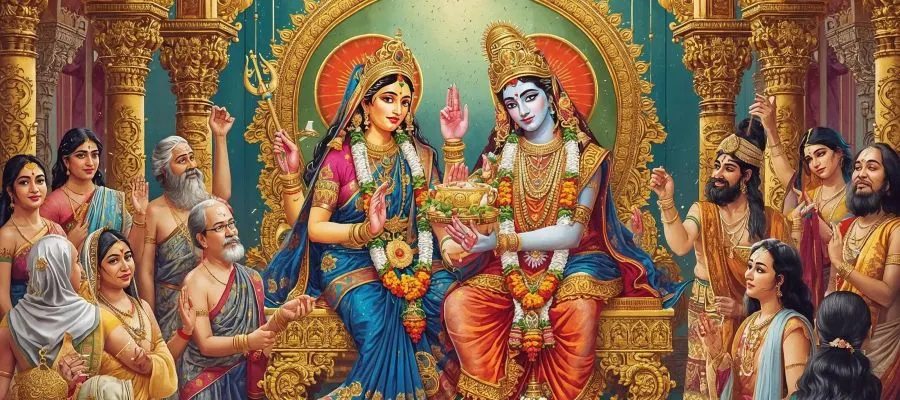
This is one of the most important events of the Chithirai festival that remains globally popular. The celestial wedding of Goddess Meenakshi and Lord Sundareshwarar widely renowned as the Meenakshi Thirukalyanam. It is the emotional and sacred climax of the Chithirai thiruvizha. The rituals are performed with great devotion, representing the sacred of divine energies. The presence of deities from Thiruparankundram adds to the importance underscoring the interconnectedness of spiritual traditions. Meenakshi Thirukalyanam celebrations endure with majestic processions like Yaanai Vahanam and Pushpa Pallakku.
The Therottam or chariot festival is one of the most visually captivating events during Chithirai thiruvizha. Majestic temple chariots bearing the deities are pulled through the streets by thousands of devotees. This act of devotion represents surrender, unity, and community participation in divine service. The Sapthavarna Chapram adds a vibrant and festive touch to the night celebrations. It mirrors the dynamic spirit of community devotion and the sense of communal harmony.
The Theerthavari ritual highlights the ceremonial conclusion of the Meenakshi temple festivities. Sacred water rituals represents purification and fulfilment Farewell ceremonies are also carries out for visiting deities. Simultaneously attention shifts to the arrival of Kallazhagar, highlighting the transformation from the Meenakshi celebrations to the Kallazhagar festival seamlessly linking two important traditions.
The Edhir Sevai is one of the most magnificent and emotionally charged celebrations in the Chithirai festival, marking the grand welcome of Kallazhagar as he approaches Madurai. This event takes place at Thallakulam, - a locality in Madurai where thousands of devotees gather with profound anticipation to receive the deity with admiration and happiness. Kallazhagar arrives in splendid attire, adorned with rich shimmering ornaments, silk garments, and fragrant garlands, reflecting heavenly magnificence. The rituals performed during Edhir Sevai include Thirumanjanam (sacred ablution), special alankaram (decoration), and the offering of garlands—most notably the symbolic garland linked with Andal, which holds profound devotional importance. The most significant part of Edhir Sevai is that the deity is then presented in ceremonial processions such as the Thanga Guthirai Vahanam and Vettiver Chaparam, along with traditional music, Vedic chants, and devotional fervor.
This is the most significant and emotionally charged moment of the entire Kallazhagar festival. On this day, Kallazhagar makes his sacred entry into the divine Vaigai River, positioned on the magnificent Thanga Guthirai Vahanam. According to legend, he embarks on a journey to attend the divine wedding of Goddess Meenakshi but he arrives late. Instead of proceeding into the city, he decides to bless his devotees from the Vaigai River itself. The ritual of Thanneer Peechuthal (sprinkling of sacred water) further enriches the spiritual ambiance representing ritual purification and blessings. Lakhs of devotees gather in the riverbanks to witness this splendid celebration, creating a memorable scene of faith and unity.
This is a significant day filled with an astounding series of spiritually rich events that emphasize the various aspects of Lord Vishnu. The Sesha Vahanam symbolizes the cosmic serpent Adisesha, representing protection and eternity while the Garuda Vahanam represents the deity as the supreme guardian riding his sacred eagle mount. A major highlight is the event known as the Moksham for Manduga Maharishi, a ritual that symbolizes the liberation from the cycle of birth and death, illuminating the empathetic nature of the divine. This day comes to an end with the spectacular Dasavatharam Kaatchi, where the ten incarnations of Lord Vishnu are portrayed each representing the restoration of universal balance.
This day is renowned for its visually appealing beauty and symbolic depth. The Mohini Avatharam symbolizes Lord Vishnu in his captivating feminine form, symbolizing illusion (maya) and the power to revive celestial order through wisdom and charm. Following this, the Rajanga Alankaram beautifies the deity in a regal attire, reflecting grandeur, authority, and sacred elegance. The procession in elegantly decorated palanquins further enriches the royal atmosphere, captivating devotees into a sense of reverence and devotion. It symbolizes the seamless balance between power and beauty, illusion and truth, underscoring the divine’s ability to manifest in any form for the harmony of the cosmos.
Post several days of grand celebrations in Madurai, Kallazhagar starts his return journey toward Azhagar Kovil. The procession, often complemented by Pushpa Pallakku (flower-decked palanquin), is teemed together with emotion and devotion. Thousands of devotees gather along the pathways to seek blessings and bid farewell, expressing gratitude for the blessings received. The journey is not just an actual return but also represents the gradual withdrawal of sacred presence from the city. This day carries a sense of profound devotion, marking the transition from celebration to contemplation
On this day, Kallazhagar reaches back Azhagar Kovil, fulfilling his divine journey. The arrival is celebrated with significant rituals and prayers, as devotees welcome him back to his abode with great reverence. The end of the journey signifies the fulfillment of his sacred mission—to bestow blessings upon the devotees and uphold divine traditions. The atmosphere is teemed with gratitude, devotion, and calm contentment. It marks the triumphant conclusion of the divine visit, symbolizing completion, satisfaction, and spiritual closure.
The last day, called as the Urchava Saatru Murai, brings the complete Kallazhagar festival to a ceremonial conclusion. Rituals are performed to pay thanks for successful completion of the entire ceremonies and to revitalize the temple to its usual spiritual rhythm. Devotees gather is huge numbers one last time to seek blessings, reflecting on the spiritual journey they have experienced over the previous days. The atmosphere remains calm and contemplative, signifying the end of a grand celebration. The last day is a representation of gratitude, completion, and spiritual fulfillment, leaving devotees with a heartfelt blessings and memories of sacred grace.
Share This News